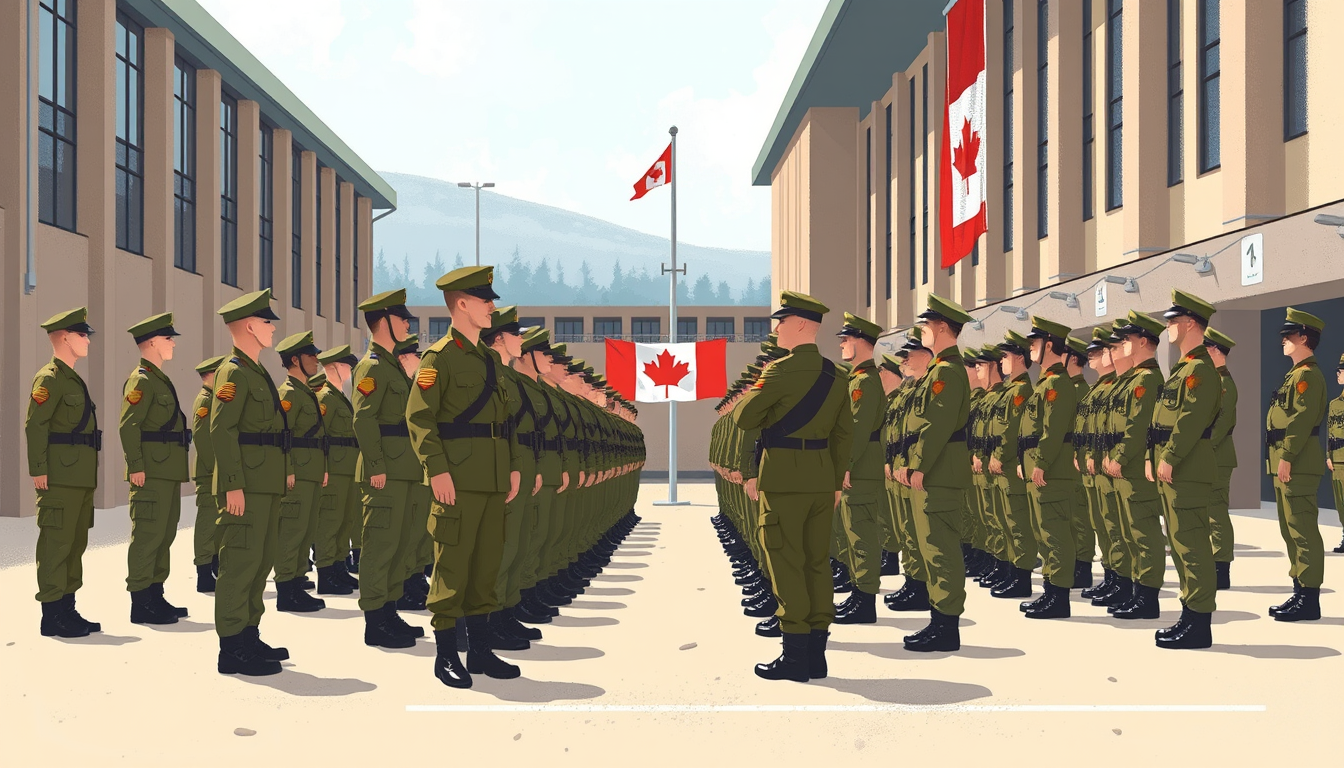
Canada has created a fast-tracked citizenship pathway for foreign nationals serving in the Canadian Armed Forces, processing military applicants ahead of civilians seeking entry through conventional routes.
The policy stems from amendments to the Citizenship Act that took effect on June 19, 2014, and June 11, 2015. Immigration, Refugees and Citizenship Canada (IRCC) now prioritizes applications from CAF members, a departure from the standard citizenship process that can take considerably longer to finalize. The accelerated track reflects a shift in how Ottawa is managing recruitment and retention as the military faces persistent staffing pressures.
To qualify, applicants must be permanent residents with no unfulfilled conditions on their status, or serving members with no removal order pending. Those who have left the military must have been honourably released. All candidates must be at least 18, demonstrate proficiency in English or French, pass a civic knowledge test, and meet Canadian income tax filing obligations if they applied after June 11, 2015. Priority processing gives military applicants a distinct advantage over the standard citizenship stream, which IRCC notes can extend considerably. For foreign-born service members already in Canada as permanent residents, the pathway offers what the policy describes as 'a concrete, structured route to full citizenship.' The criteria apply to individuals attached or seconded to the CAF even without permanent resident status.
The expedited citizenship track signals Ottawa's willingness to lower barriers to entry for military recruits at a time when CAF recruitment and retention remain under strain. By offering faster citizenship to foreign soldiers, the government effectively competes with other nations for global talent while accelerating integration of recruits who might otherwise face lengthy delays in the civilian immigration system. The policy also reflects a historical shift: earlier Dominion-era military recruitment depended primarily on British-born subjects and Canadian citizens, whereas current forces increasingly depend on permanent residents and foreign nationals to meet staffing targets.
The CAF has not released figures on how many foreign-born personnel currently serve or how many have used the military citizenship pathway since 2014. IRCC notes that full operational details of the policy are intended primarily for staff administering applications.